Chronicles of a heating planet
Chronicles of a Heating Planet
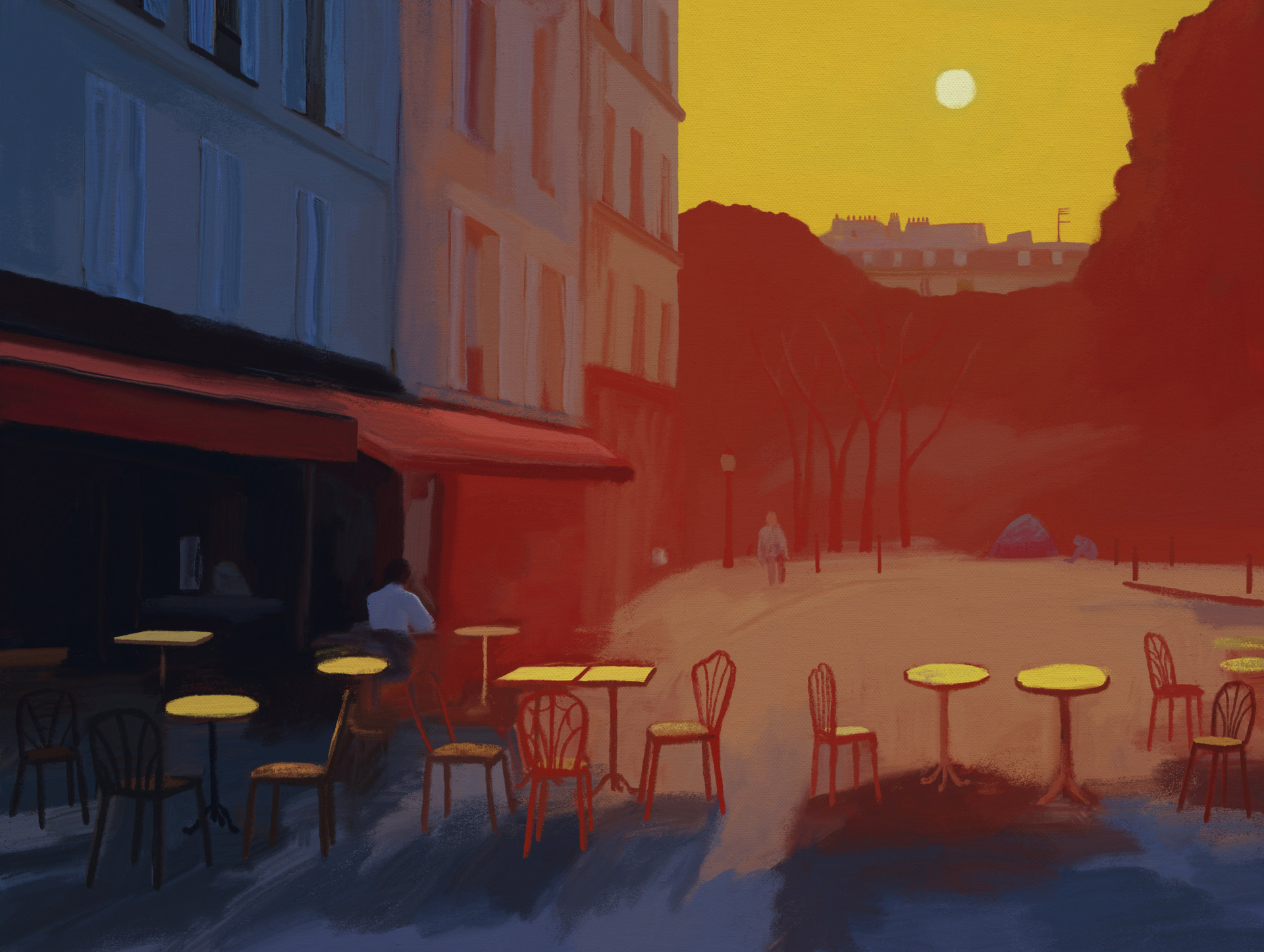
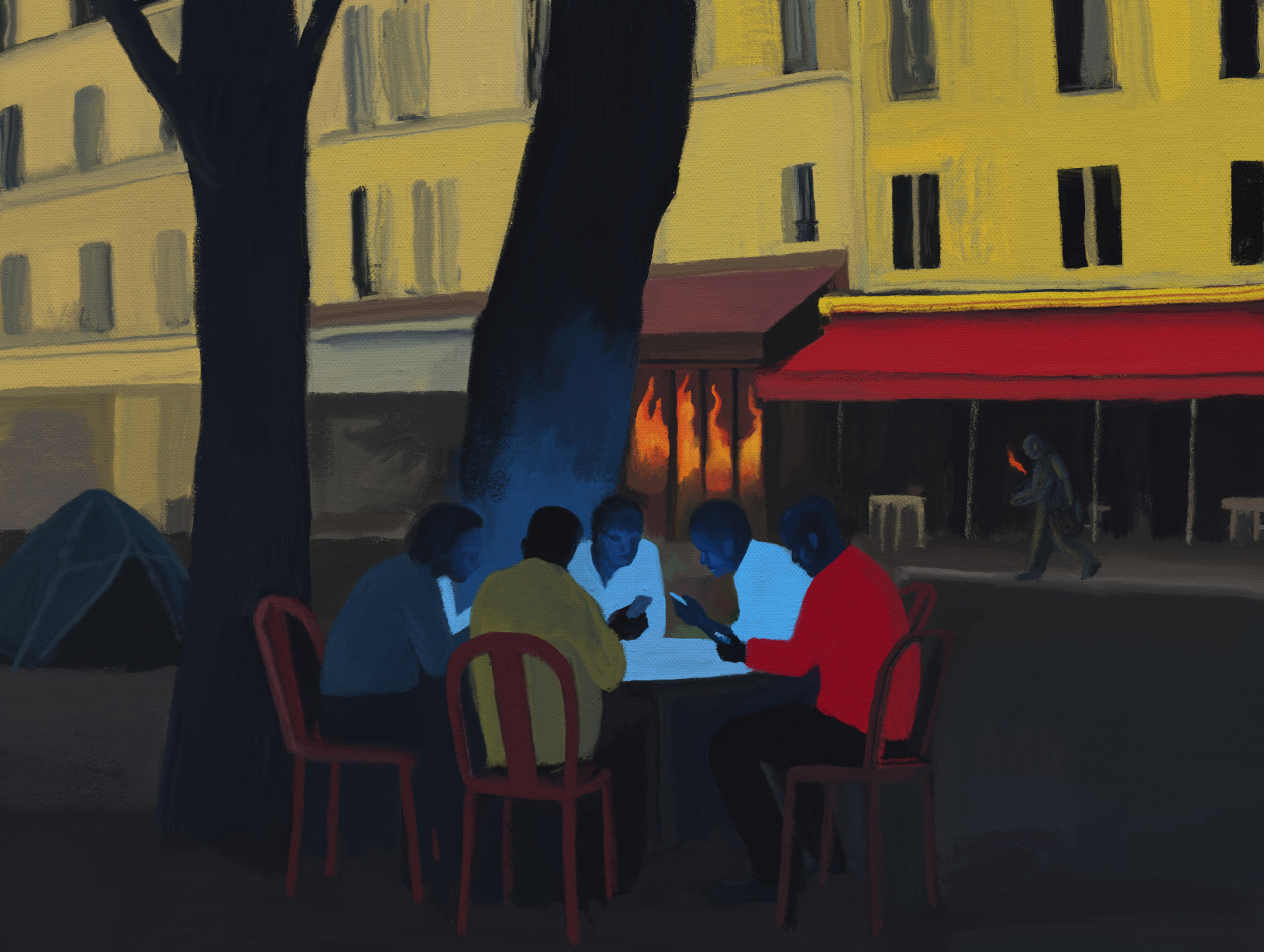
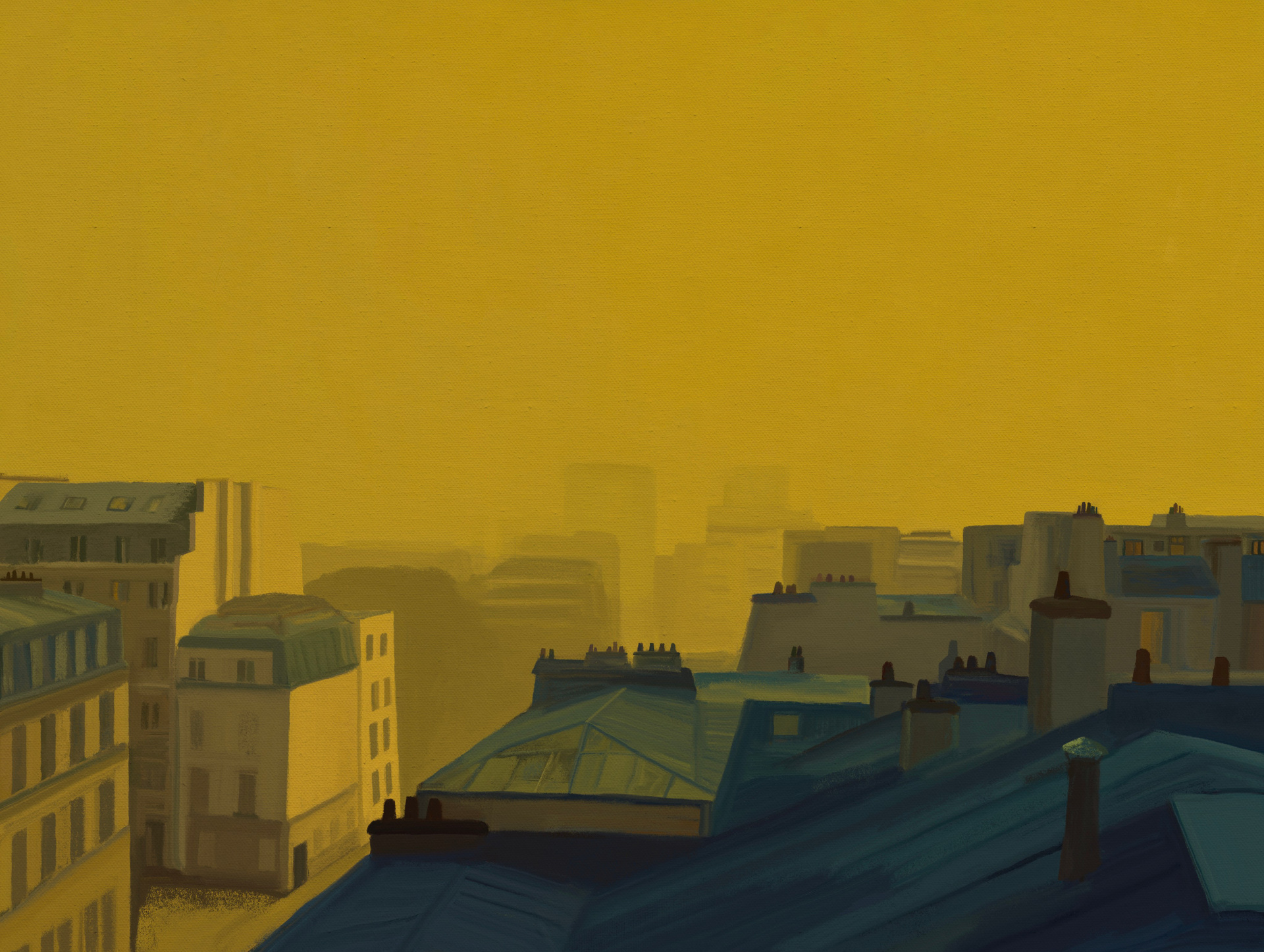
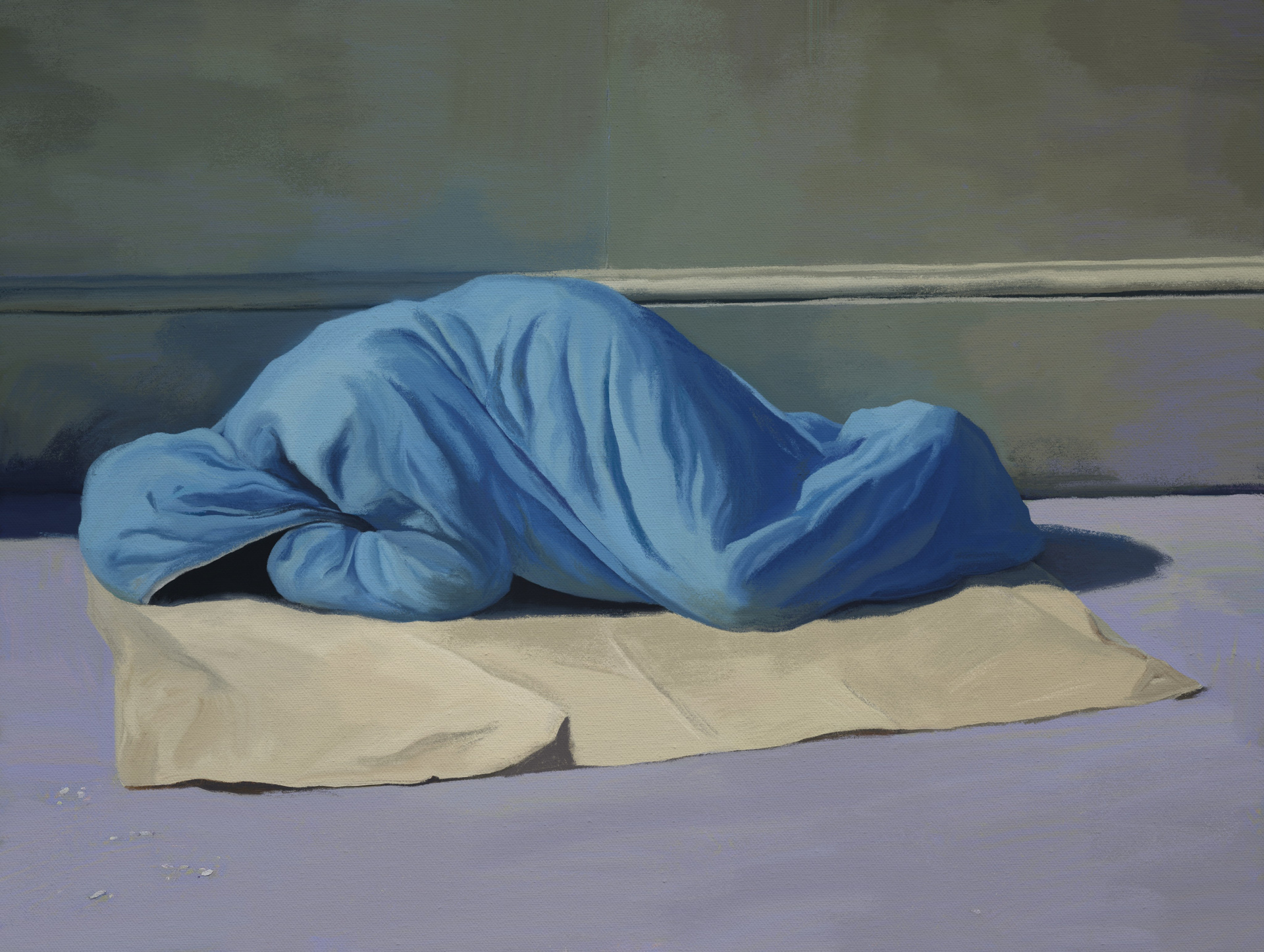
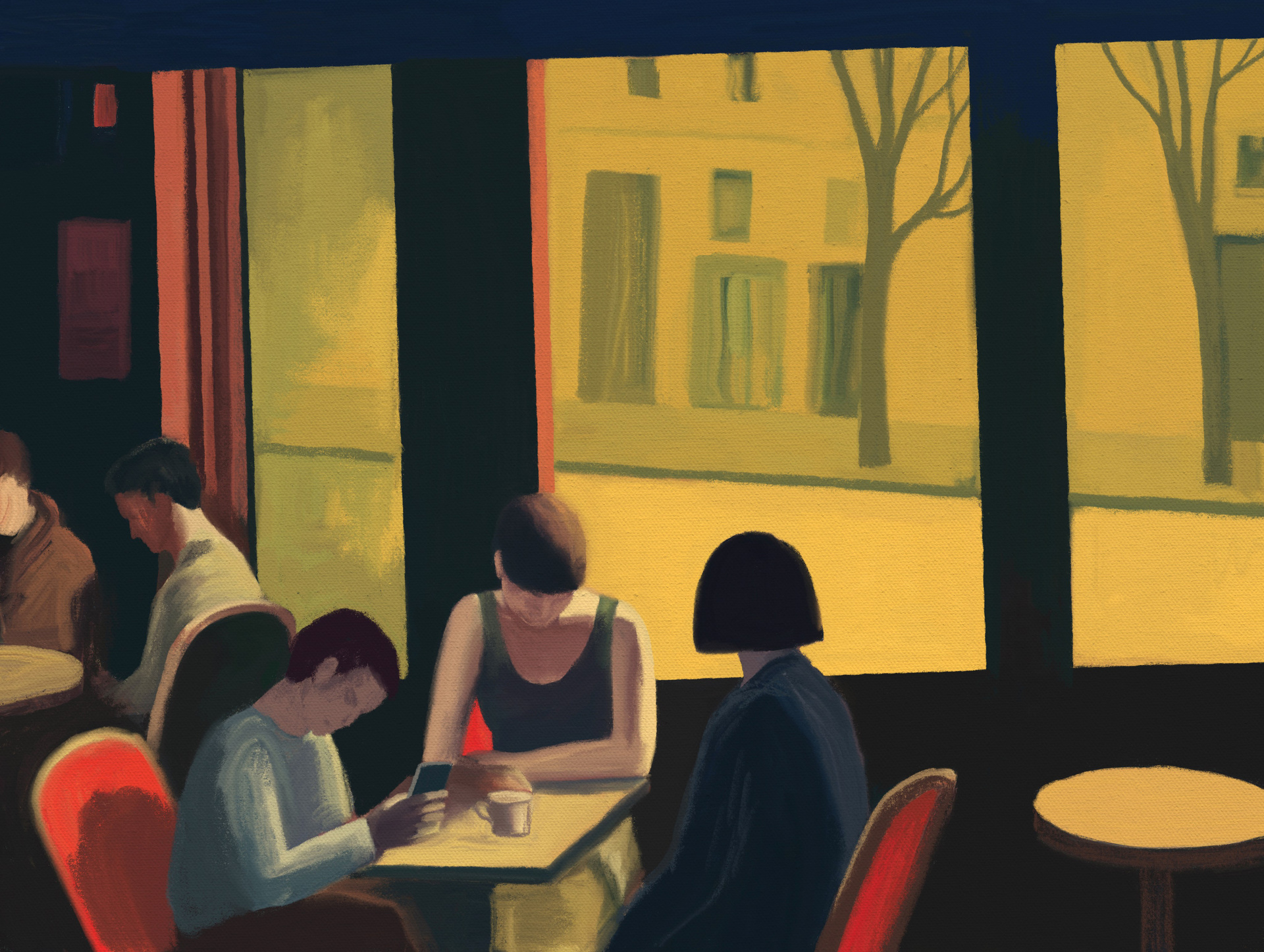
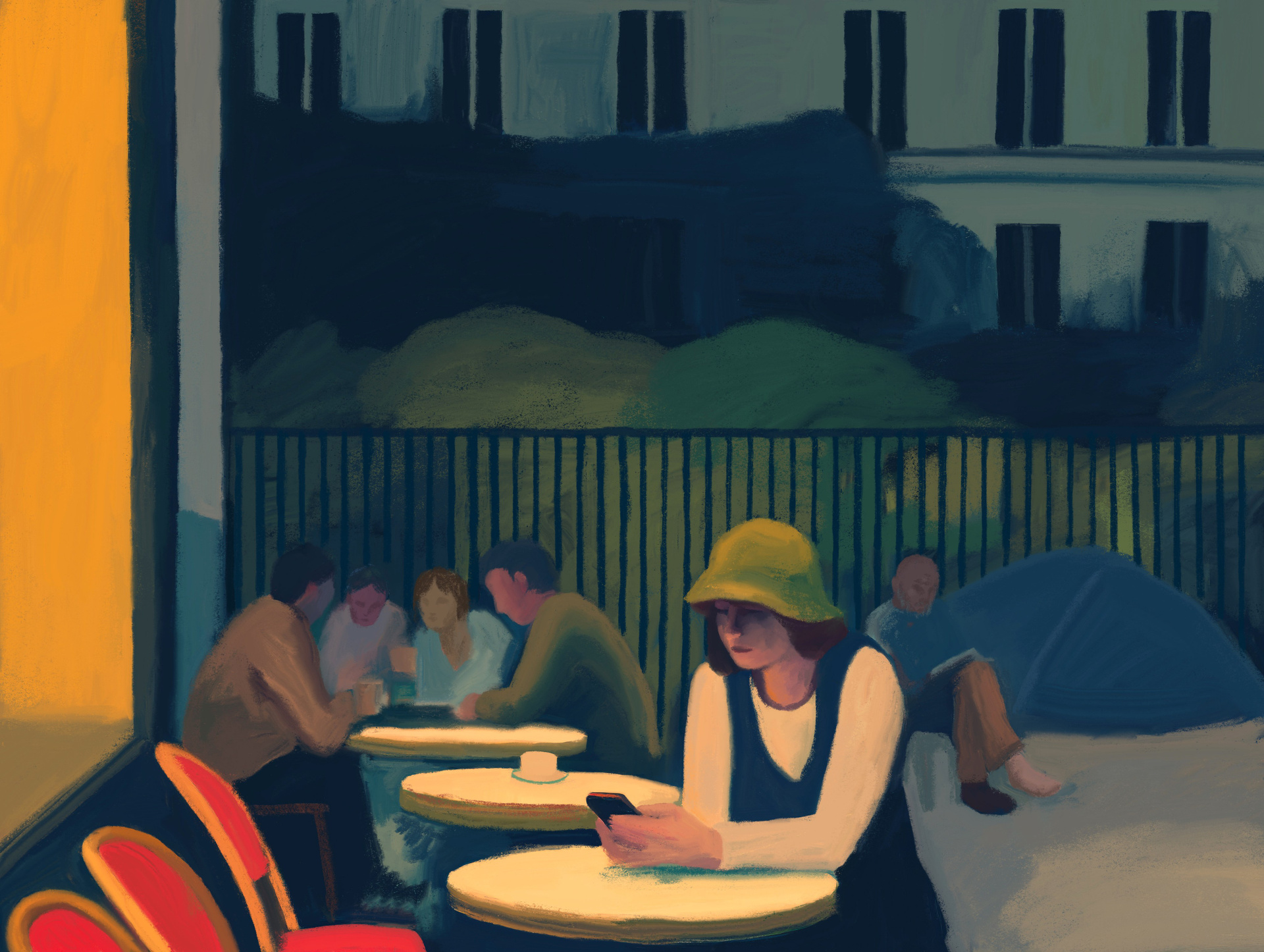
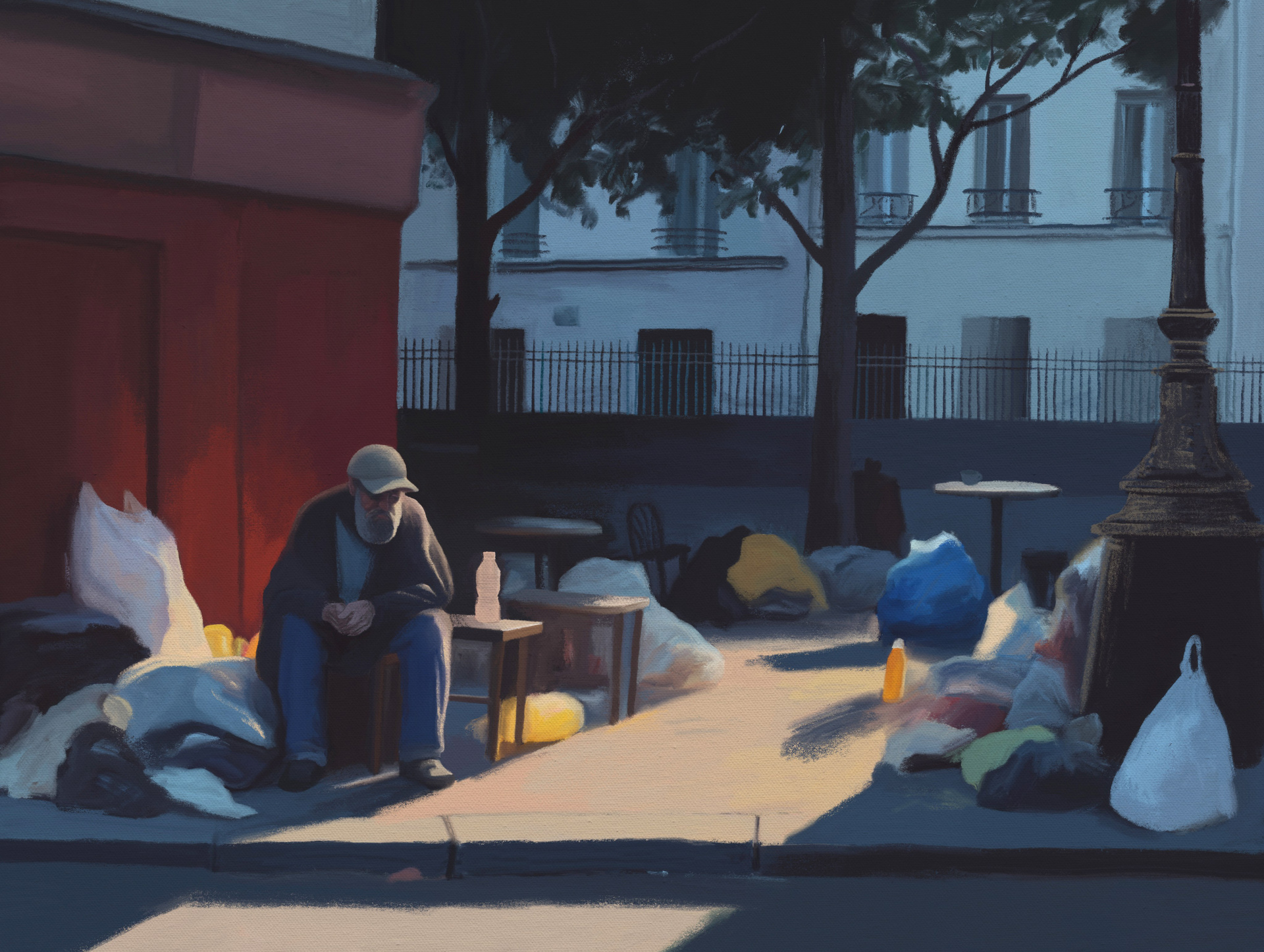
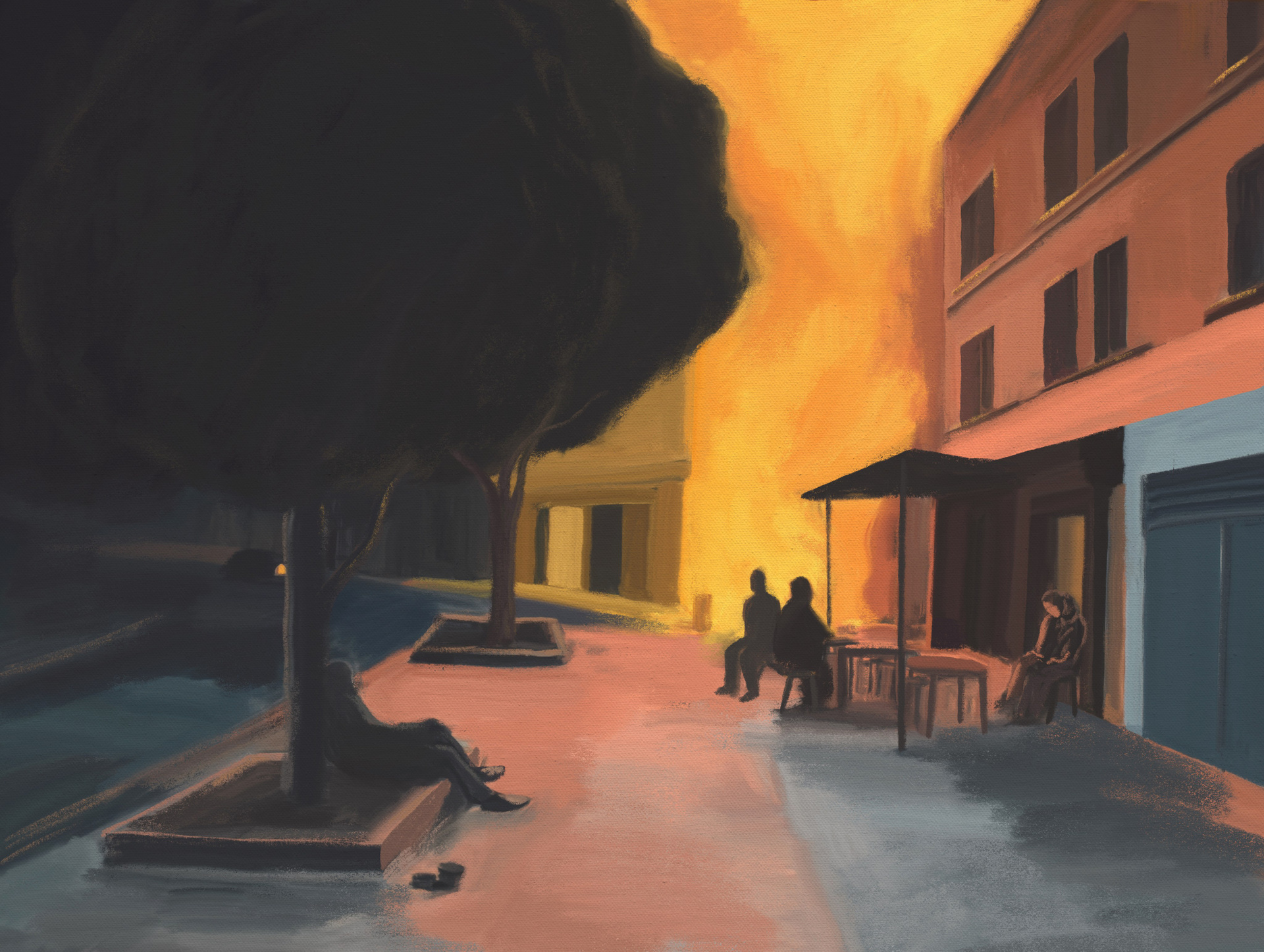
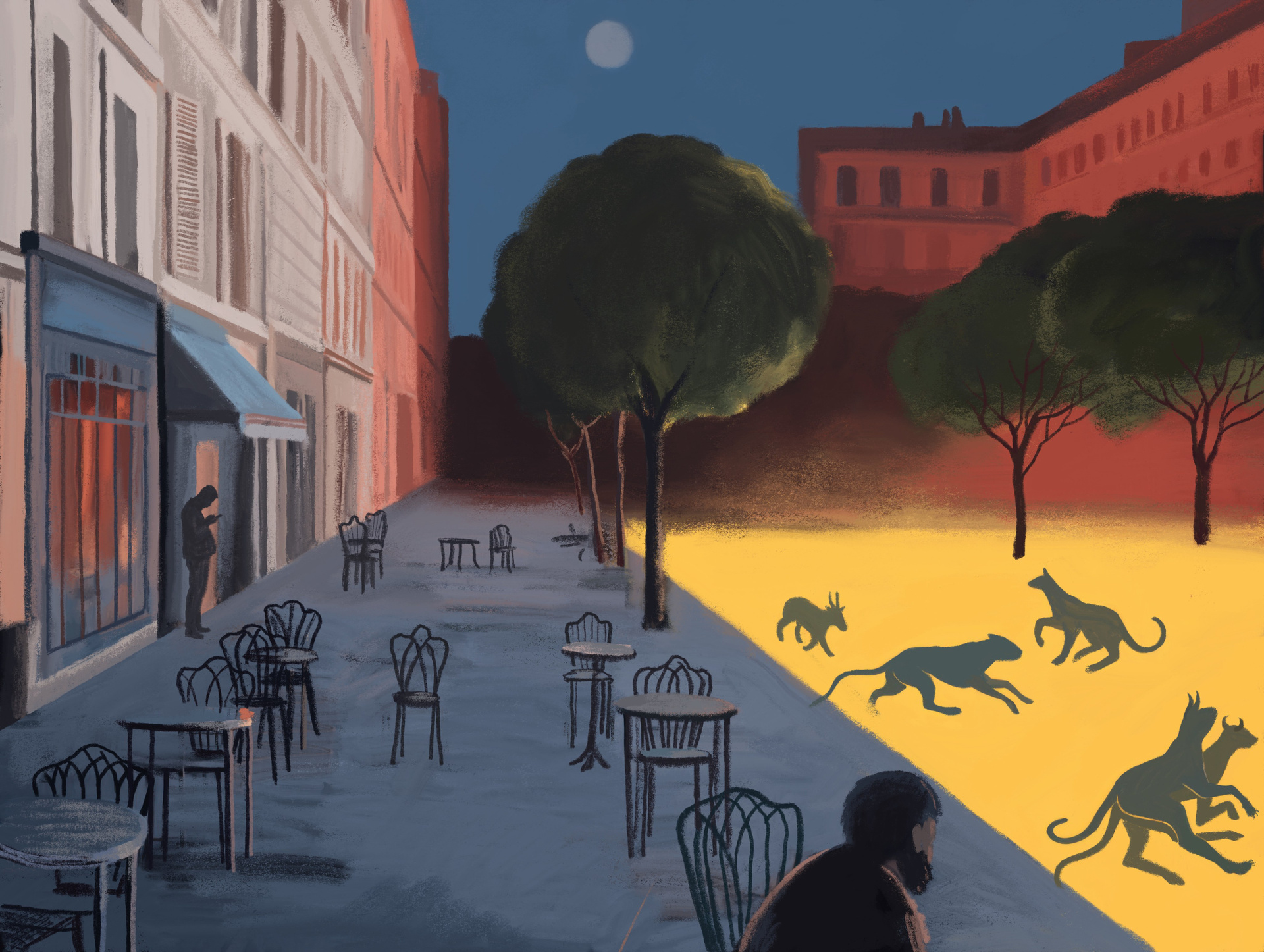
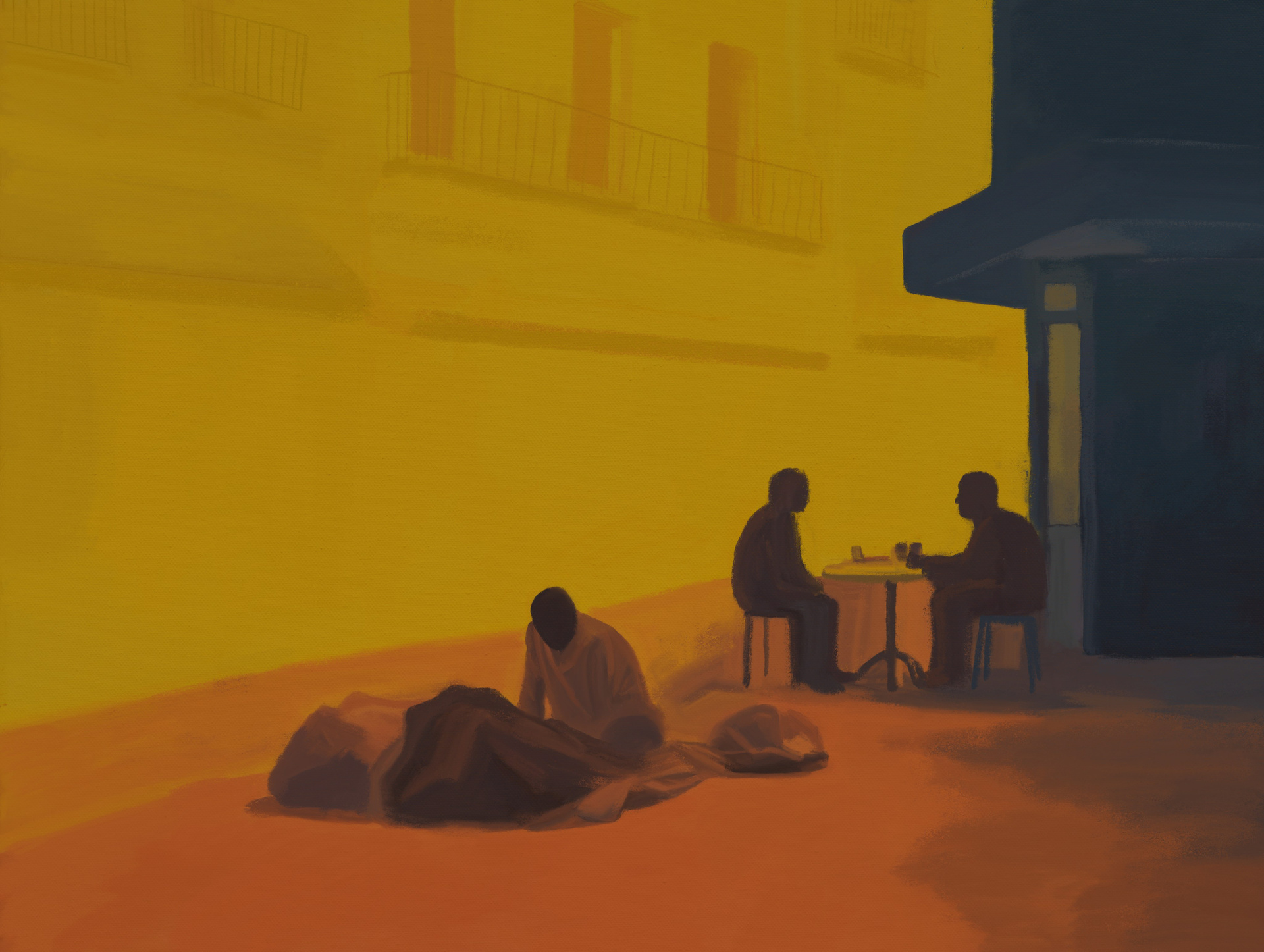
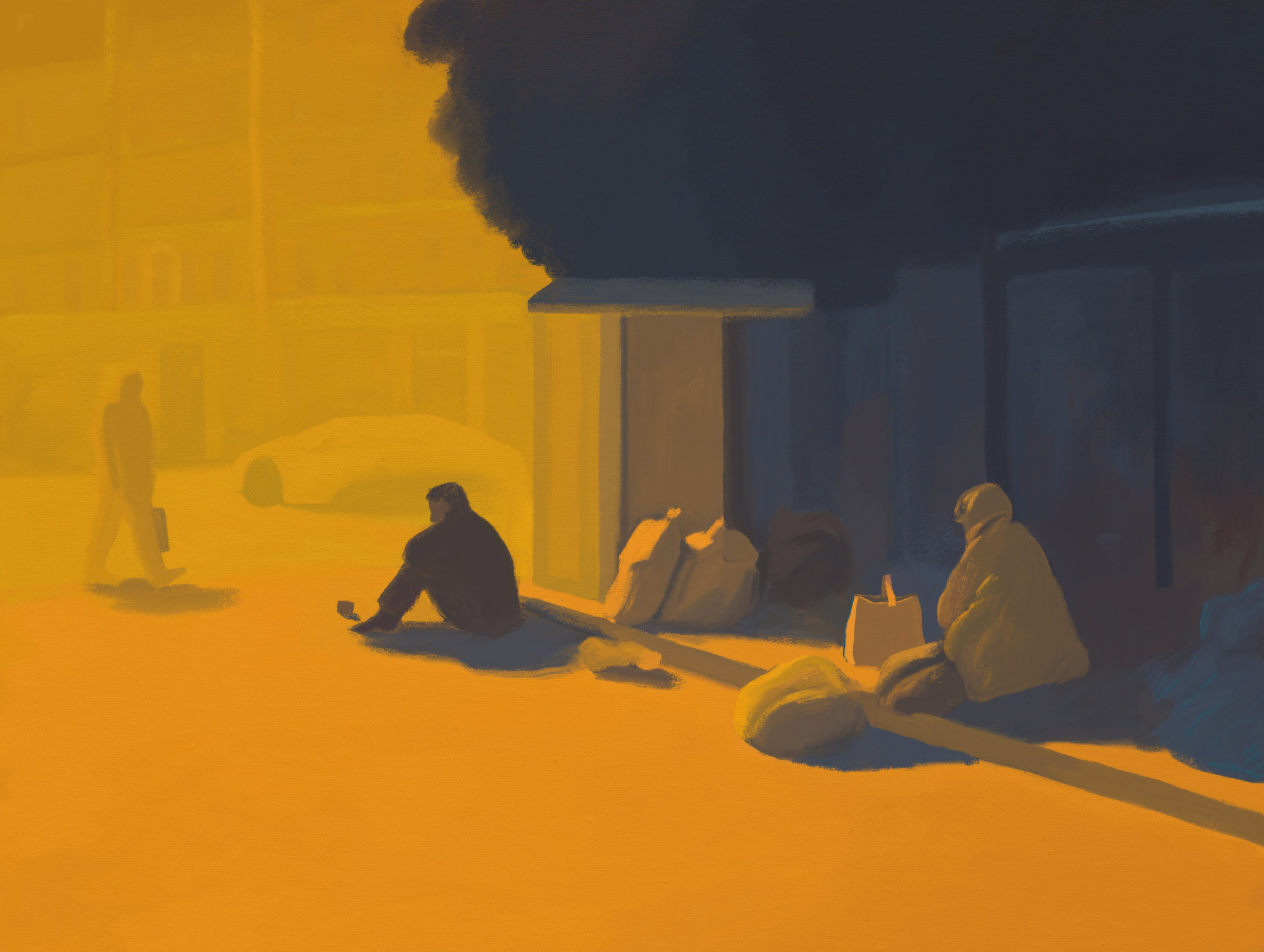
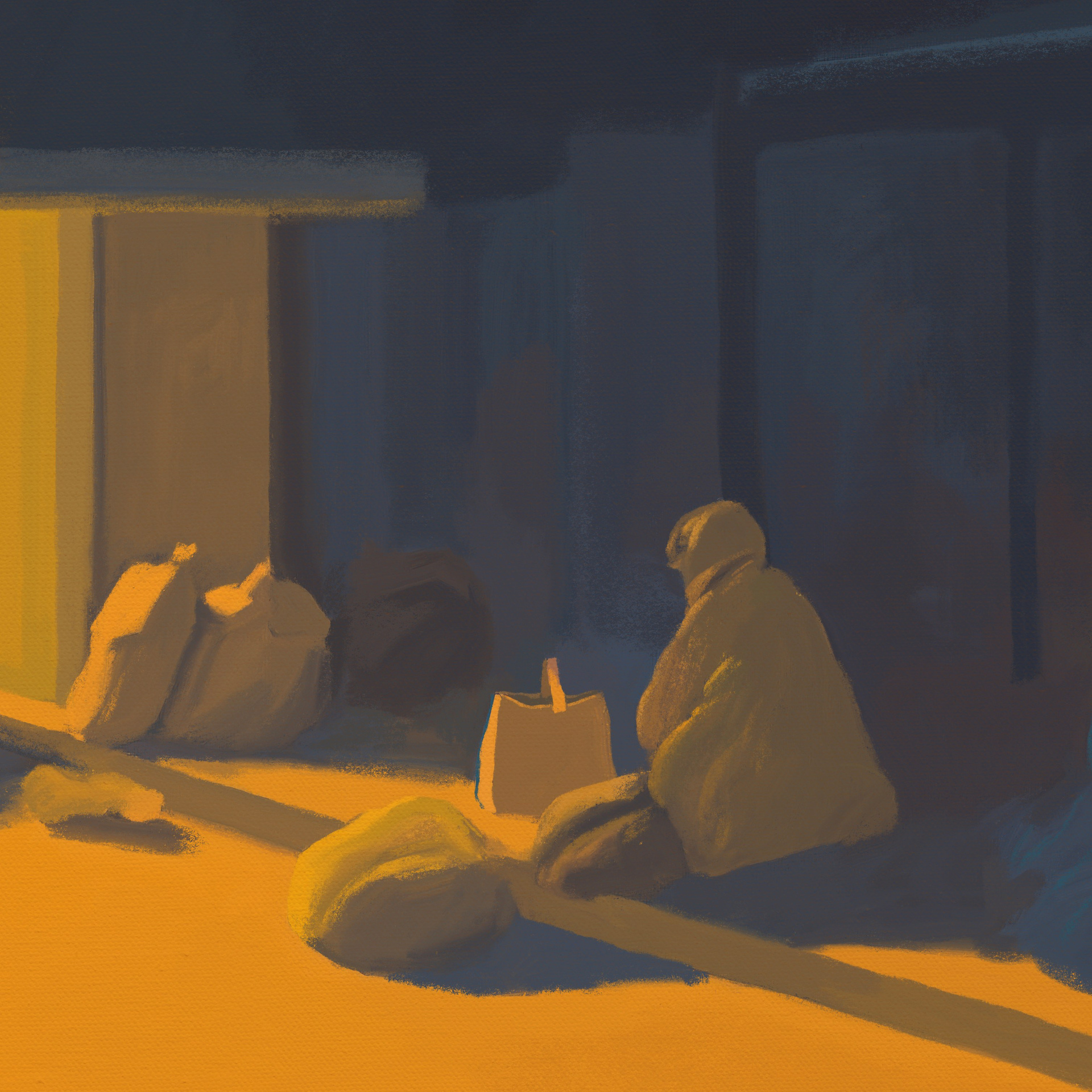
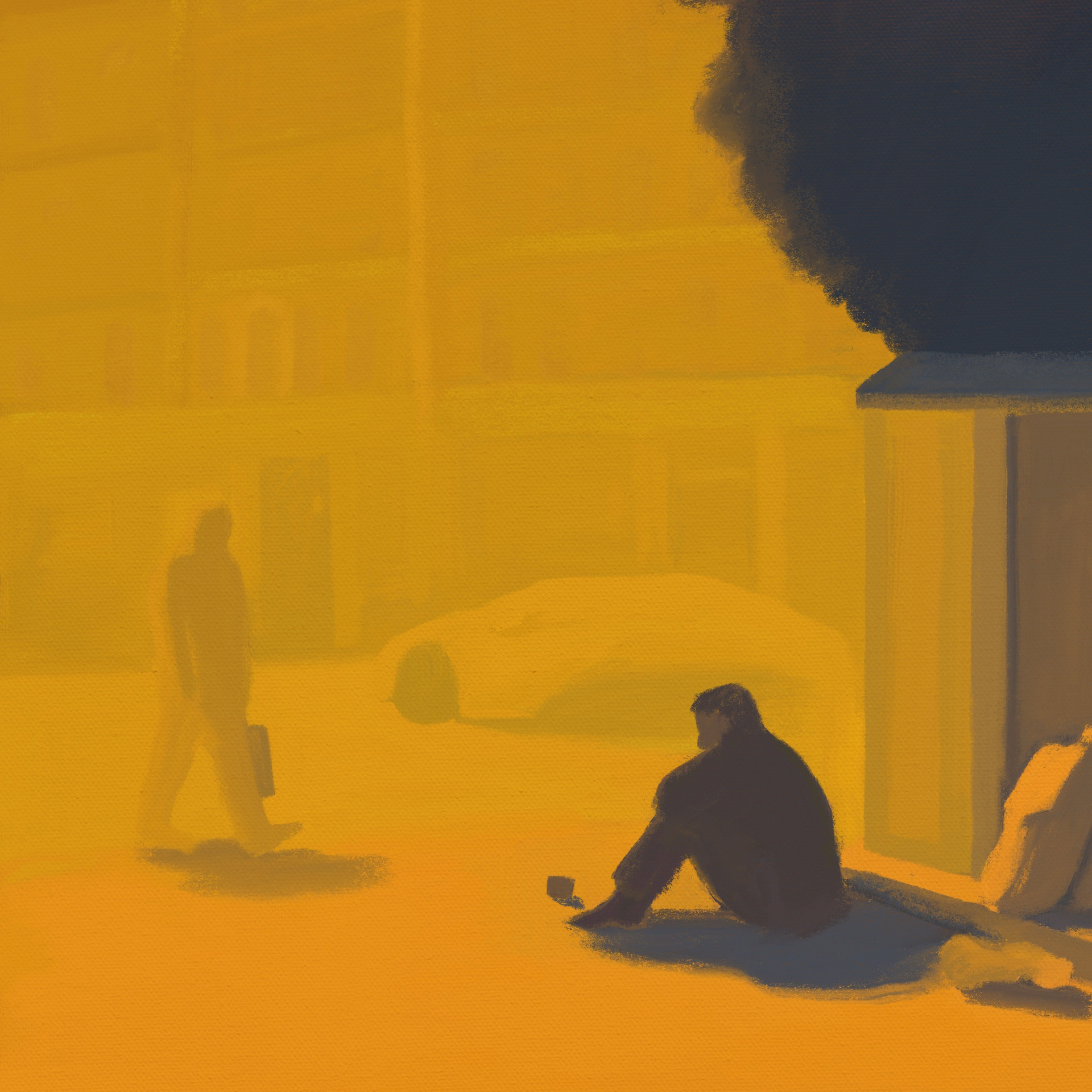
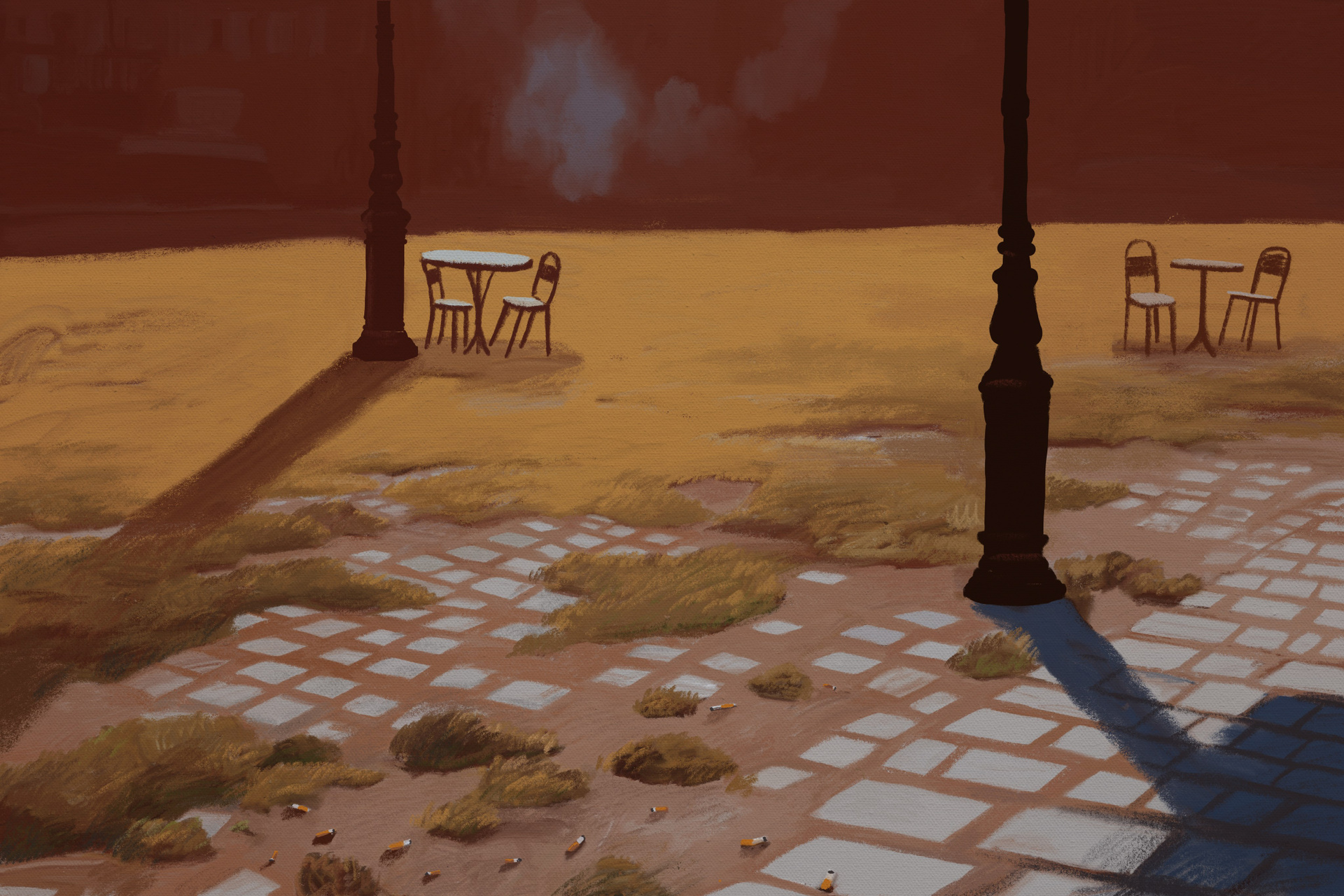
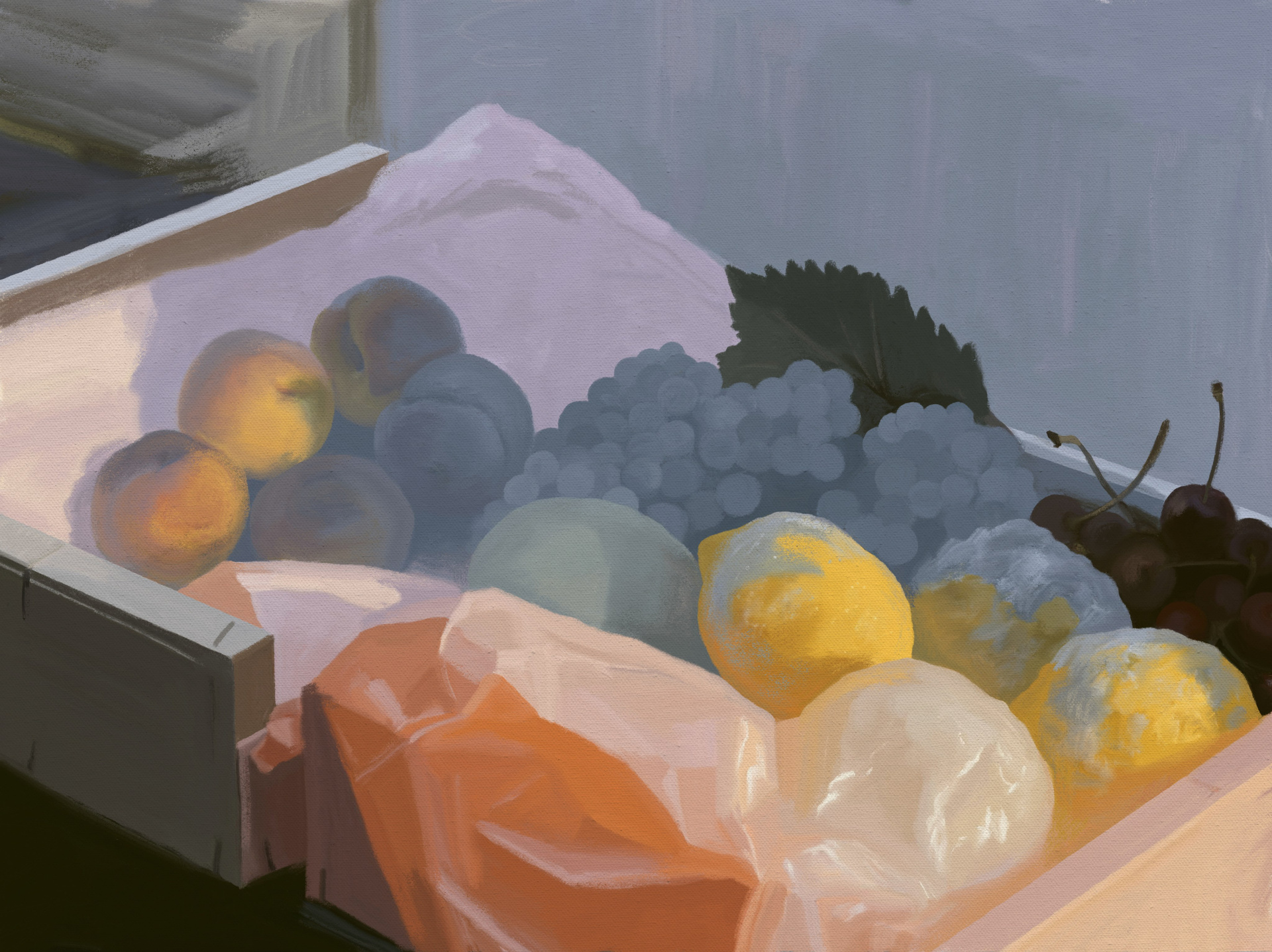
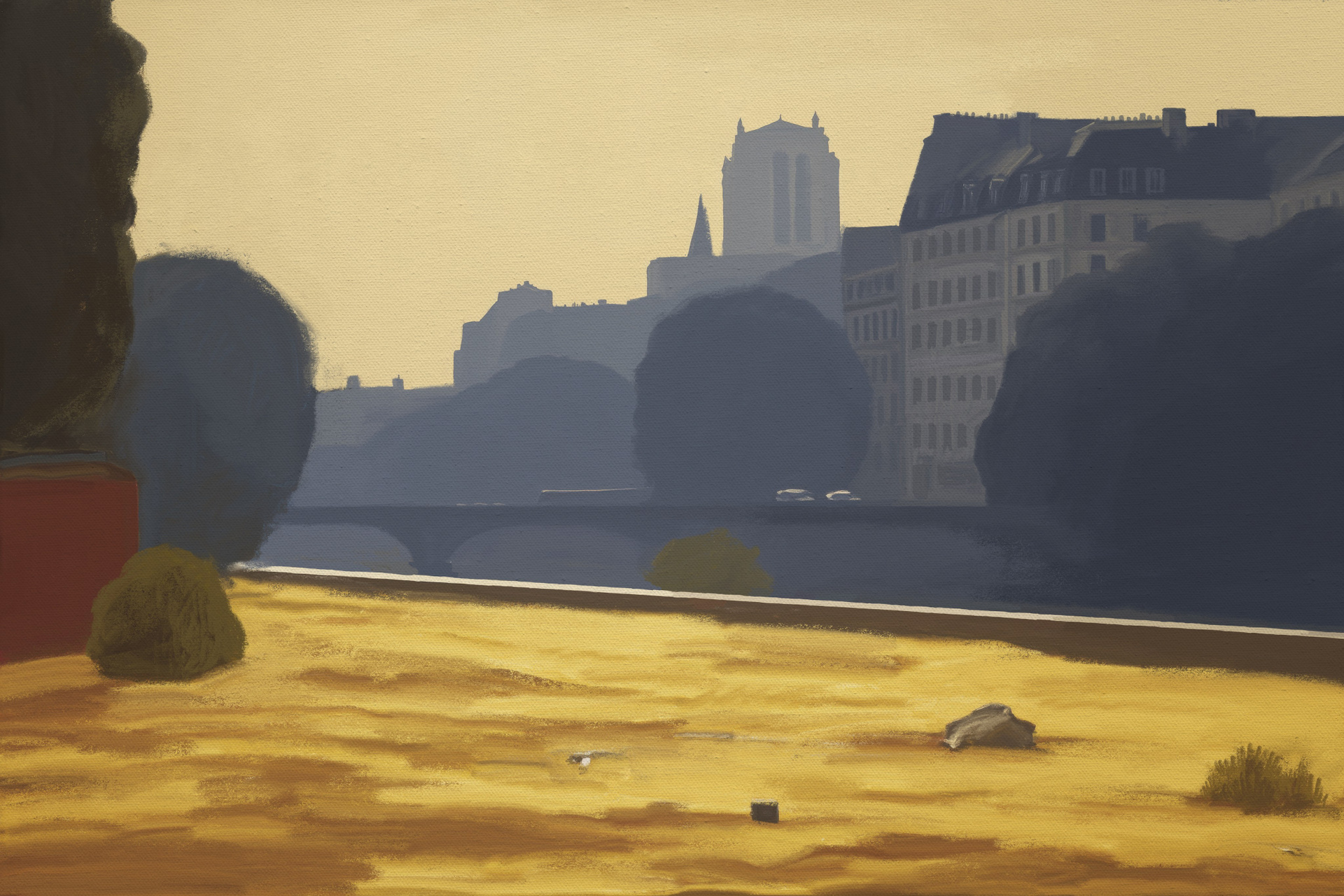
Painted on iPad during the record-breaking European heatwaves of 2026.
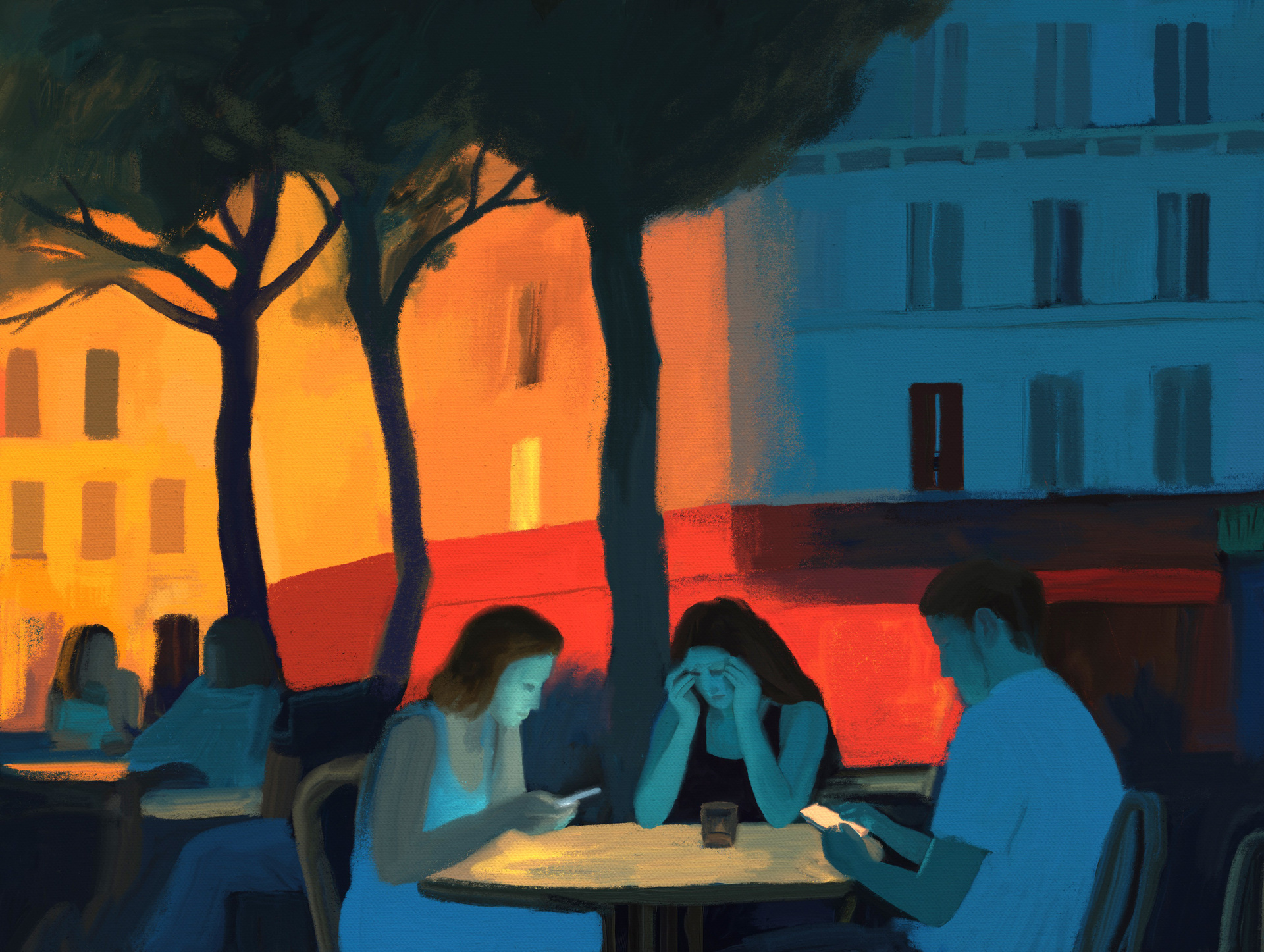
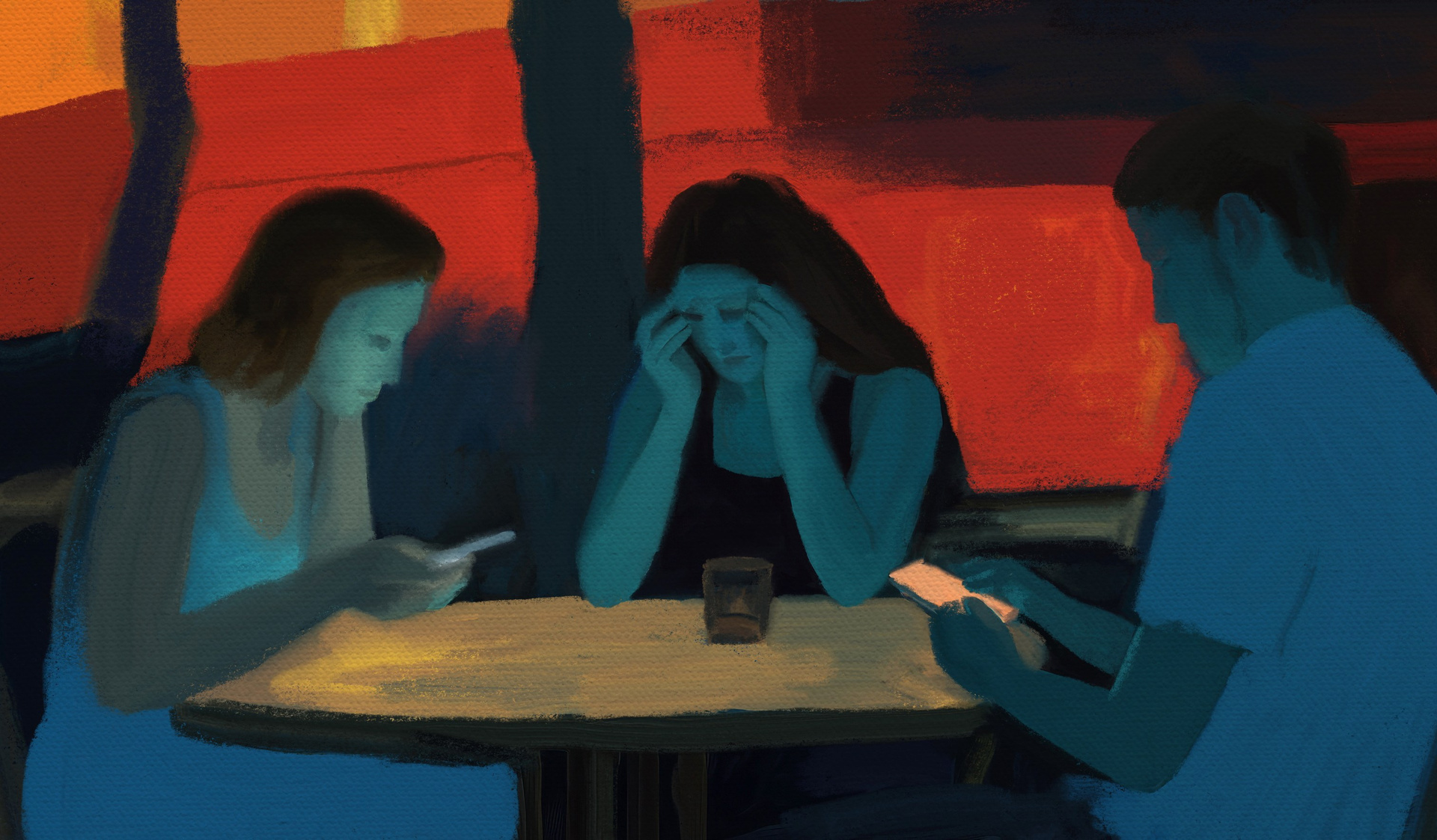
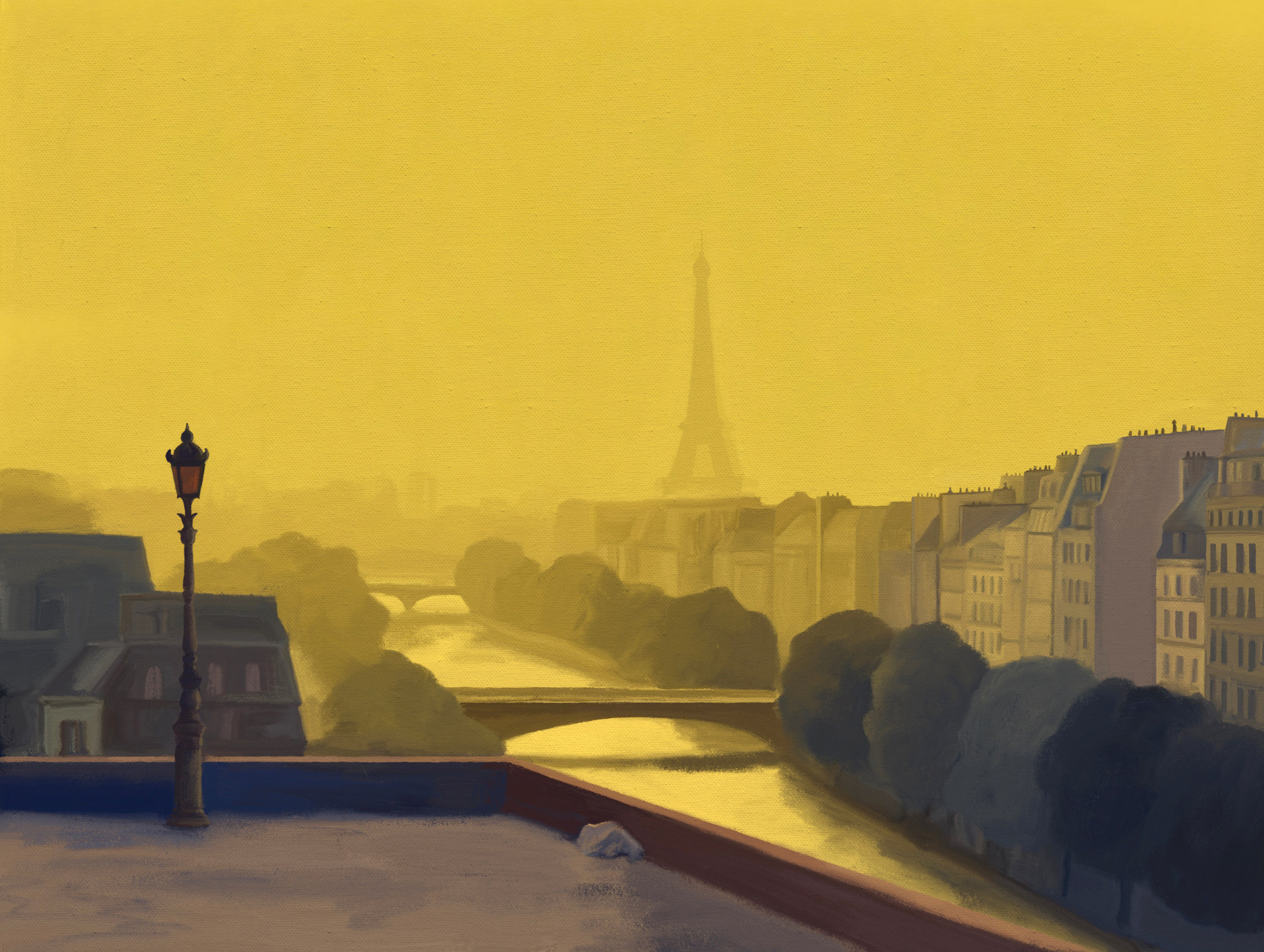
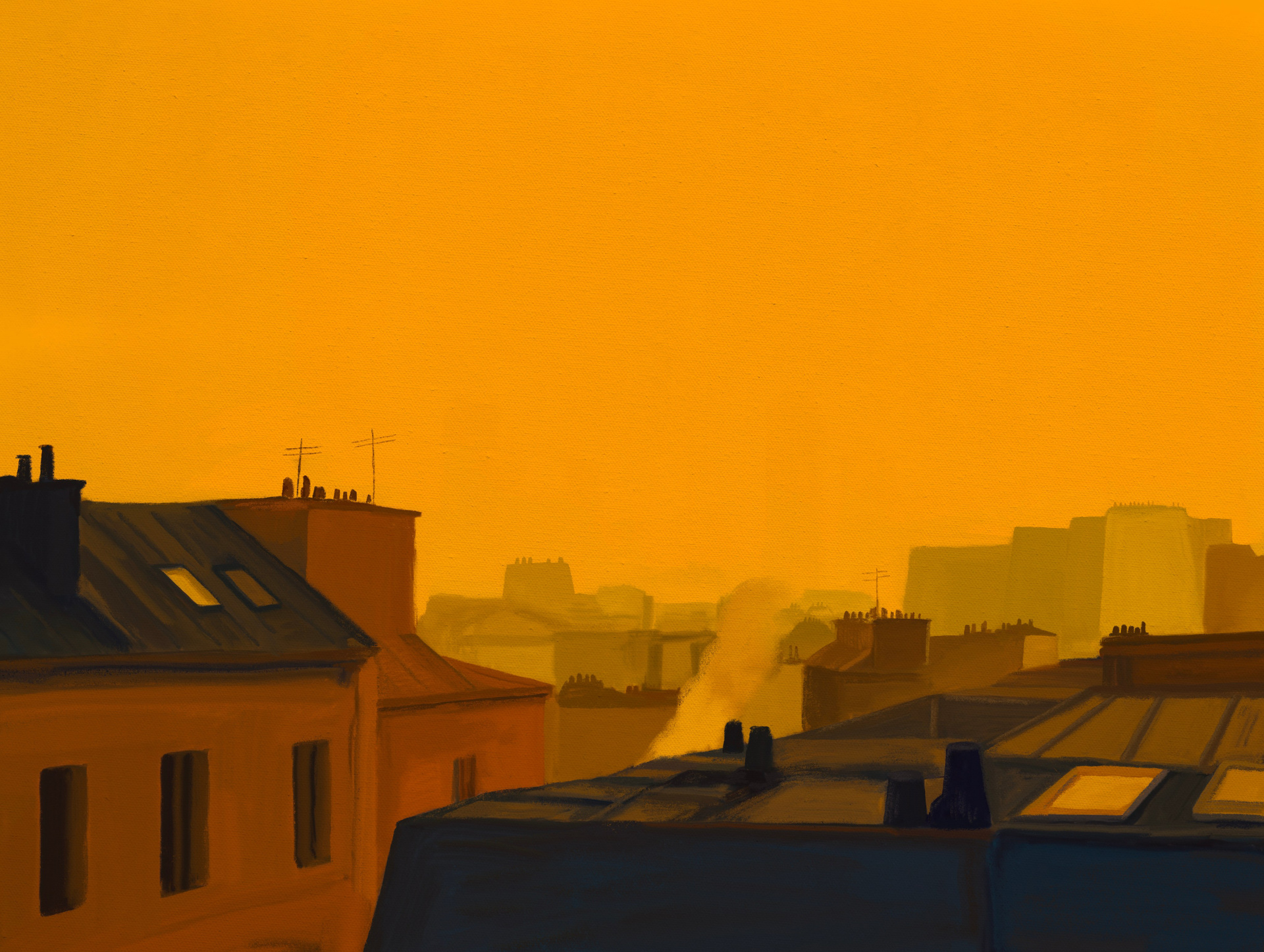
In the summer of 2026, Paris became a city suspended between ordinary life and climate catastrophe. Cafés stayed open, tourists photographed monuments, TikTokers danced in front of their phones, commuters crossed the Seine, but the air itself had turned oppressive, almost visible. The familiar rhythms of the city carried on under a sky the colour of fire.
I painted this series during those weeks.
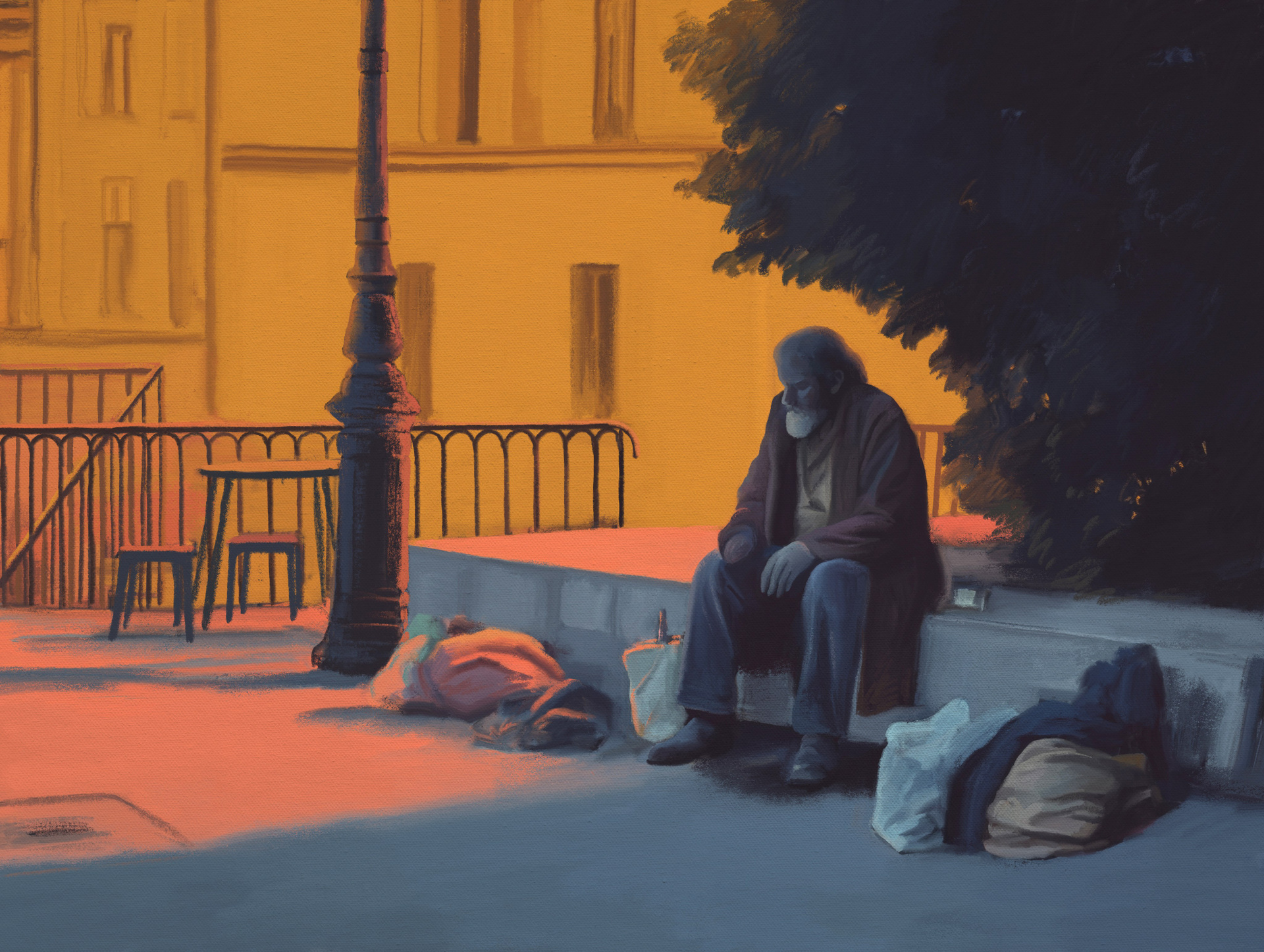
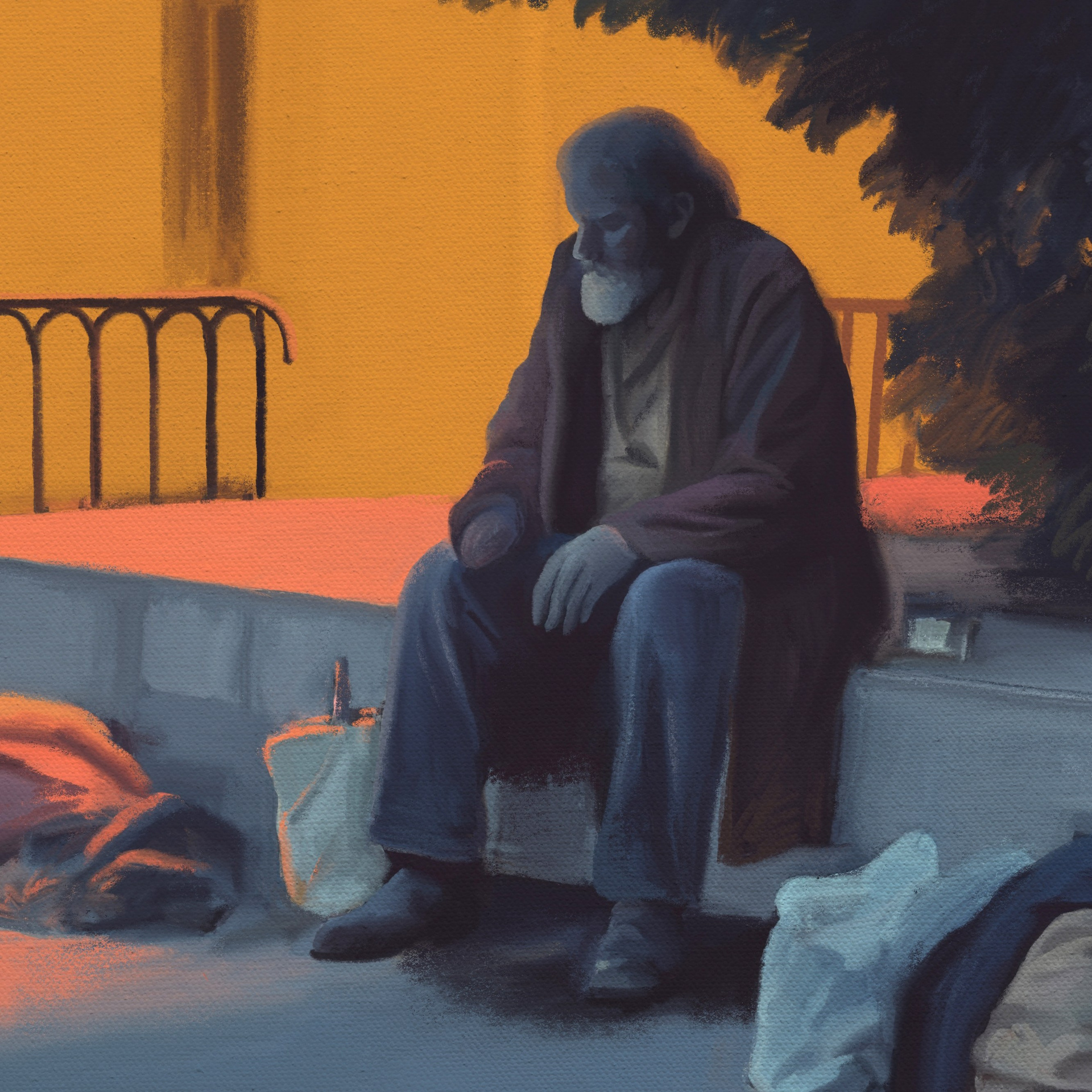
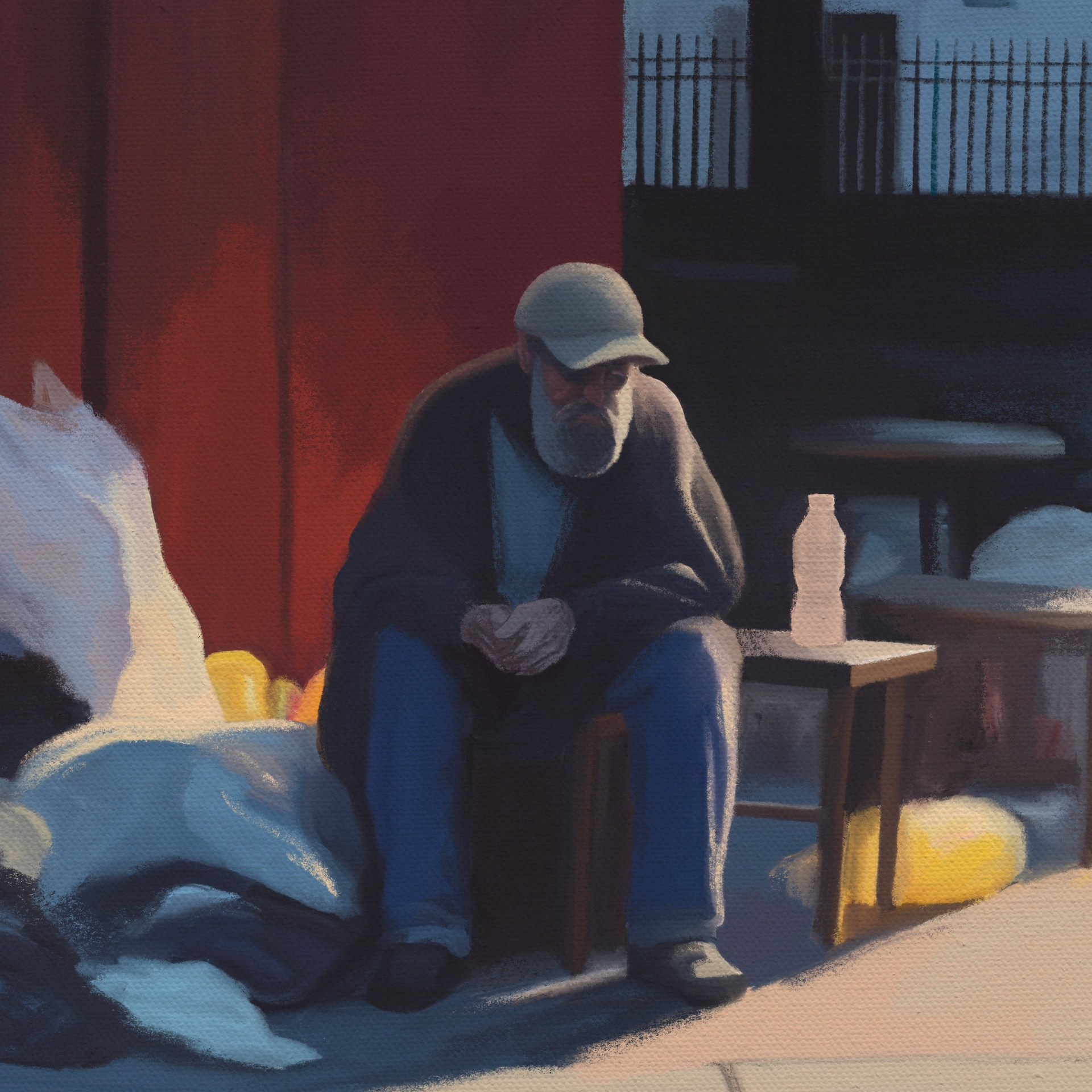
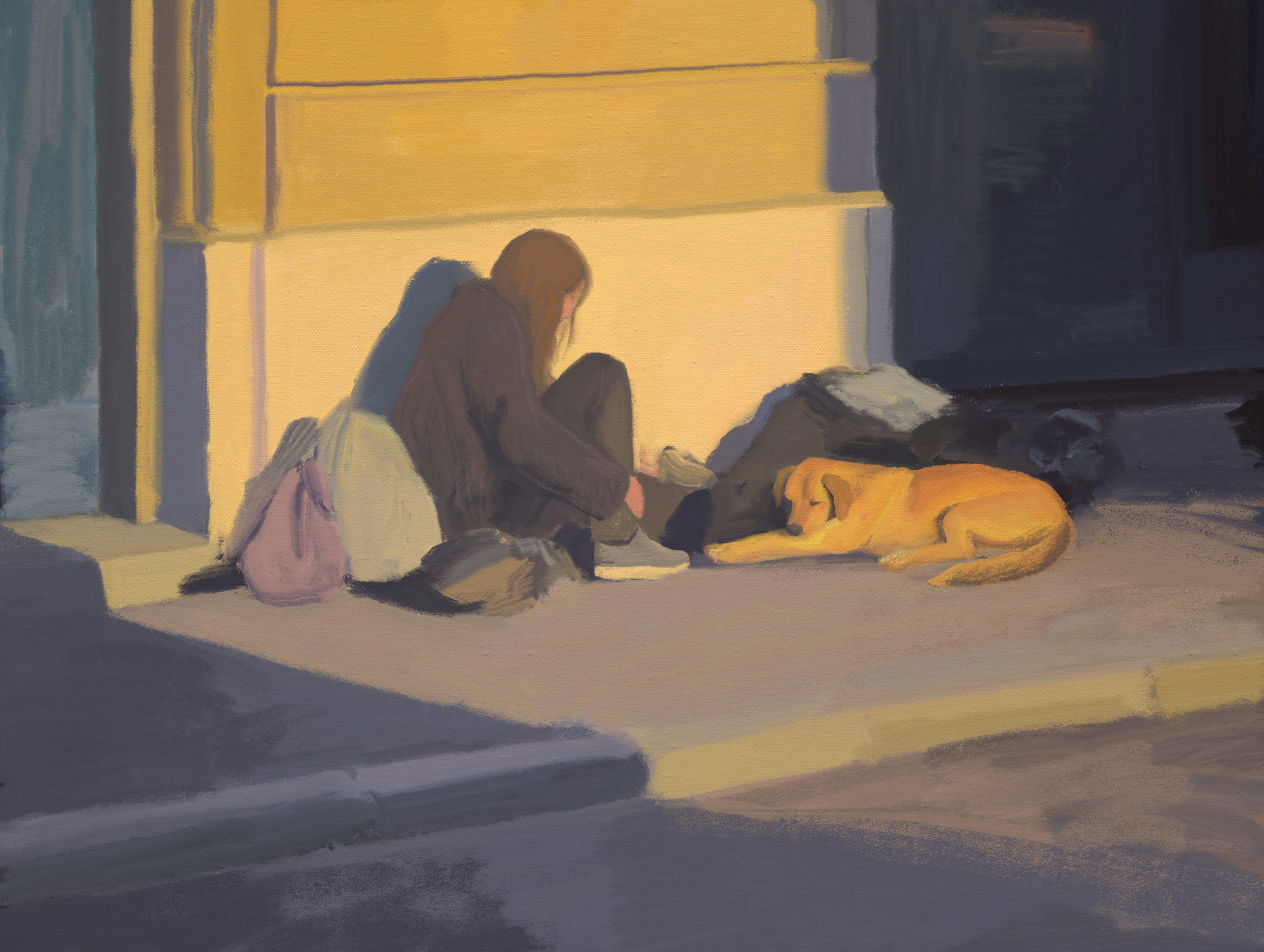
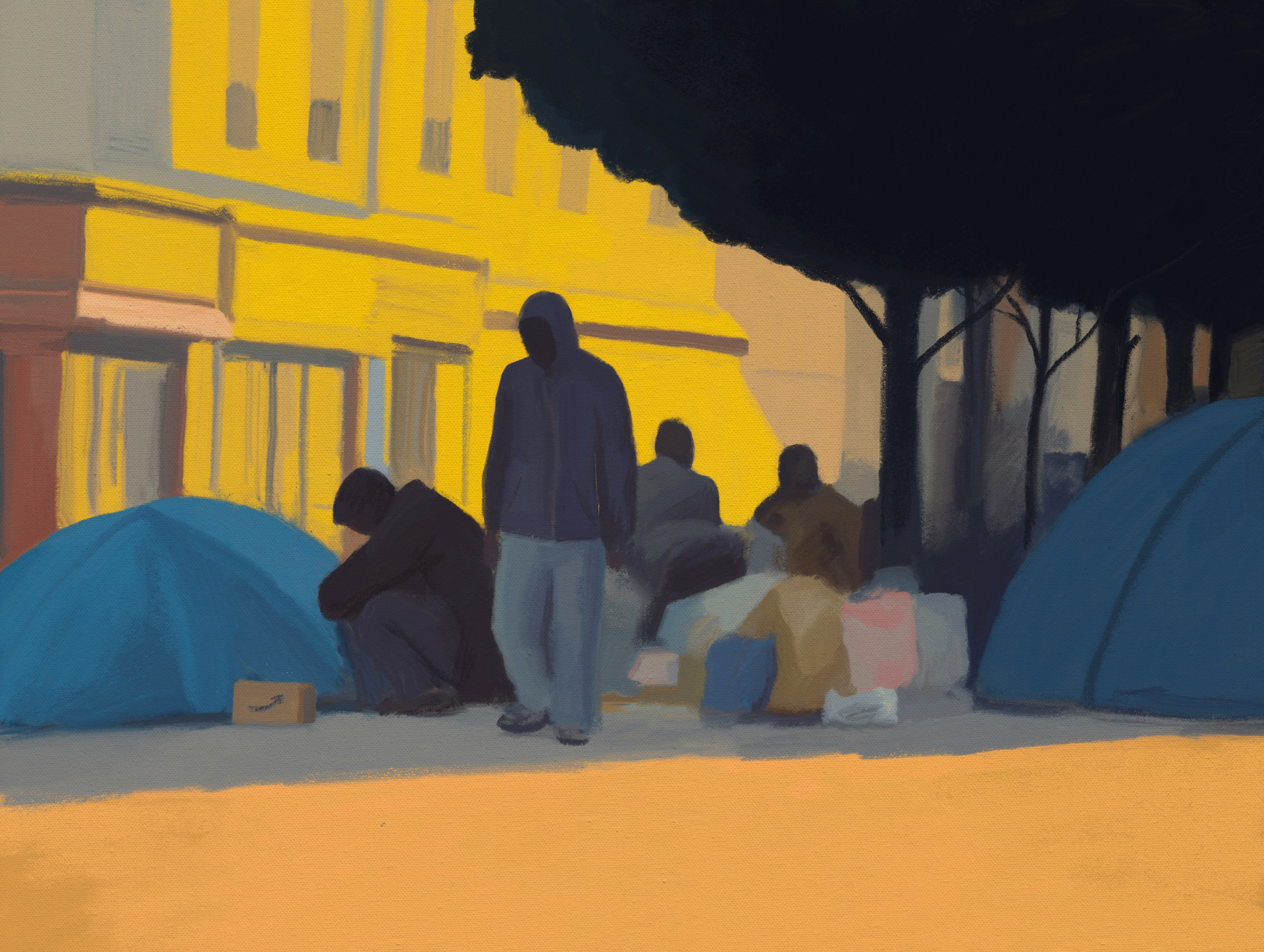
What began as an attempt to document the heat gradually became something else. Tourists queued outside luxury boutiques and fashion week models posed in the streets while homeless people searched for the last patches of shade, and those with air conditioning disappeared behind closed shutters. The city felt divided not by neighbourhoods but by access to cool air. The paintings deliberately avoid spectacular disaster. There are no collapsing buildings, no cinematic apocalypse. They attend instead to quieter forms of collapse: exhaustion, waiting, adaptation, inequality.
The series was made during a summer of successive extremes. By July, France was enduring its third heatwave in less than three months, with temperatures above 40°C across much of the country and official counts of more than two thousand excess deaths from the June heat alone. Nuclear power stations were shut down when their cooling systems overheated. Wildfires burned across southern Europe, and then, in a place long thought safe from them, at the edge of Paris itself: in July, fire swept through the forest of Fontainebleau, the old royal hunting ground where Parisians go to breathe. It consumed hundreds of hectares, closed the A6 motorway, stopped the trains and drove villagers from their homes. For the first time, waterbombing planes had to be flown up from the south to defend the Paris region, as if the map of fire had been redrawn.
These paintings are not illustrations of a single event. They are observations of a future that has already arrived.
Chronicles of a Heating Planet asks what everyday life looks like when climate change is no longer a prediction but a permanent condition. What happens to beauty when the landscape itself turns hostile? What does a city remember after surviving another summer that was once considered impossible?